


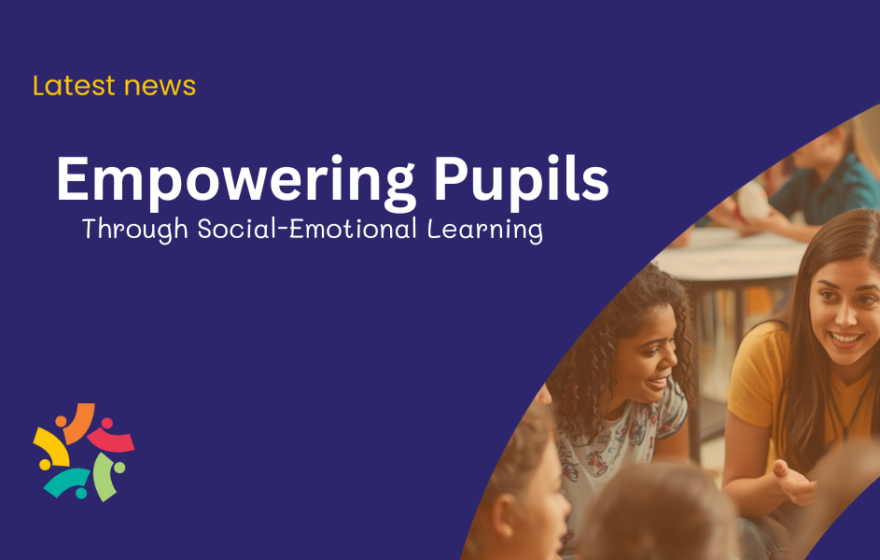
Social-emotional learning (SEL) is more than just a classroom trend—it’s a foundational skill set that equips pupils to navigate life’s complexities with confidence and resilience. While many associate SEL with managing emotions or resolving conflicts, its true value lies in teaching pupils how to thrive in an ever-changing world.
At the heart of SEL are five key competencies: self-awareness, self-management, social awareness, relationship skills, and responsible decision-making. These skills help pupils understand their emotions, regulate their responses, and build meaningful connections with peers and adults. When pupils develop these abilities, they’re better prepared to face academic challenges, form healthy relationships, and contribute positively to their communities.
Why SEL Matters in the Classroom
SEL isn’t just about emotional intelligence—it’s about equipping pupils with the tools they need to succeed in life. By fostering emotional awareness and social competence, educators help pupils build confidence, manage stress, and develop strong relationships. This creates a positive classroom environment where pupils feel safe, respected, and supported.
Strategies to Integrate SEL into Daily Practice
Educators can effectively embed SEL into their teaching through practical, everyday strategies. Here are five approaches that have proven successful:
1. Start with Reflection
Begin each day with a brief check-in. Ask pupils to share how they’re feeling and why. This simple practice fosters emotional awareness and creates a safe space for open dialogue.
2. Model Empathy
Demonstrate empathy in your interactions. When a pupil is upset, respond with compassion and understanding. This shows pupils how to treat others with kindness and respect.
3. Use Real-World Scenarios
Incorporate case studies or role-playing activities that reflect real-life challenges. This helps pupils apply SEL skills in practical contexts.
4. Encourage Peer Support
Create opportunities for pupils to support one another. Group projects, peer mentoring, and collaborative problem-solving promote teamwork and mutual respect.
5. Celebrate Progress
Recognise and celebrate small victories. When pupils see their efforts being acknowledged, they’re more likely to continue growing emotionally and socially.
The Long-Term Impact of SEL
When pupils develop strong social-emotional skills, they’re better equipped to handle challenges both inside and outside the classroom. They become more resilient, more empathetic, and more confident in their abilities. This not only improves their academic performance but also prepares them for future success in personal and professional life.
How You Can Support SEL in Your School
Every educator plays a vital role in promoting SEL. By integrating SEL into daily routines and classroom activities, you can help pupils build the skills they need to thrive.