


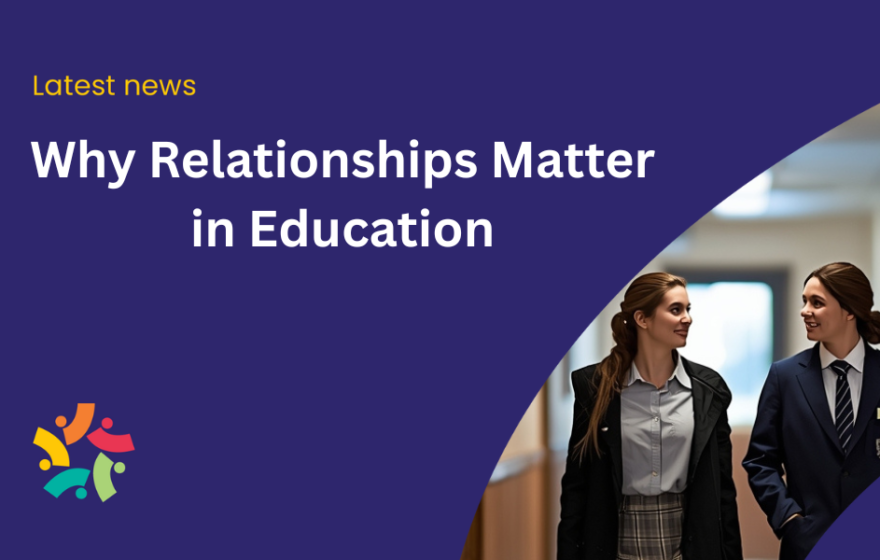
Why Relationships Matter in Education
In education, outcomes are often measured through data, attainment, and progress indicators. While these measures are important, they do not tell the full story. At the heart of meaningful learning and long‑term success sits something far less quantifiable but equally essential: relationships.
Strong relationships form the foundation of positive educational experiences. They influence how individuals feel within a learning environment, how confident they are to participate, and how willing they are to engage with challenge. When relationships are prioritised, education becomes not just something that happens to people, but something they actively take part in.
The Role of Trust and Connection
Trust is a cornerstone of effective education. When pupils feel safe, understood, and respected, they are more likely to take risks in their learning, ask questions, and seek support when they need it. This sense of psychological safety allows individuals to move beyond surface‑level engagement and develop deeper understanding over time.
Relationships built on consistency and mutual respect help establish this trust. Everyday interactions, such as listening attentively, responding calmly, and following through on commitments, contribute to an environment where individuals feel valued. These small, consistent actions often have a greater impact than any single intervention.
Belonging and Engagement
A strong sense of belonging is closely linked to engagement. When individuals feel that they are part of a community, rather than simply present within a space, their motivation and confidence increase. Belonging encourages participation, collaboration, and positive social interaction, all of which support learning and personal development.
In educational settings, belonging is shaped through inclusive practices, clear expectations, and positive relationships with peers and adults alike. It is reinforced when individuals feel seen and acknowledged for who they are, not just for what they achieve.
Long‑Term Impact
The impact of strong relationships is often most visible over time. Individuals who feel supported and connected are more likely to develop confidence, resilience, and a positive attitude towards learning. These qualities extend beyond education and influence how people approach challenges in wider life.
By investing in relationships early and maintaining them consistently, educational environments lay the groundwork for long‑term success. This investment does not require complex systems or additional resources, but rather a commitment to intentional, relational practice.
Creating Relationship‑Centred Environments
Building strong relationships is not about grand gestures. It is about everyday actions that demonstrate care, consistency, and respect. Clear communication, active listening, and reliable support all contribute to environments where relationships can flourish. When relationships are treated as central rather than secondary, education becomes more human, more effective, and more sustainable. Strong relationships do not replace academic focus; they enable it.
Final Thoughts
Education is ultimately a people‑centred endeavour. Knowledge, skills, and outcomes matter, but they are shaped by the quality of the relationships that surround them. When relationships are strong, learning feels purposeful, environments feel supportive, and long‑term success becomes more achievable.
Relationships matter because people matter, and when people feel connected, supported, and valued, education works better for everyone.